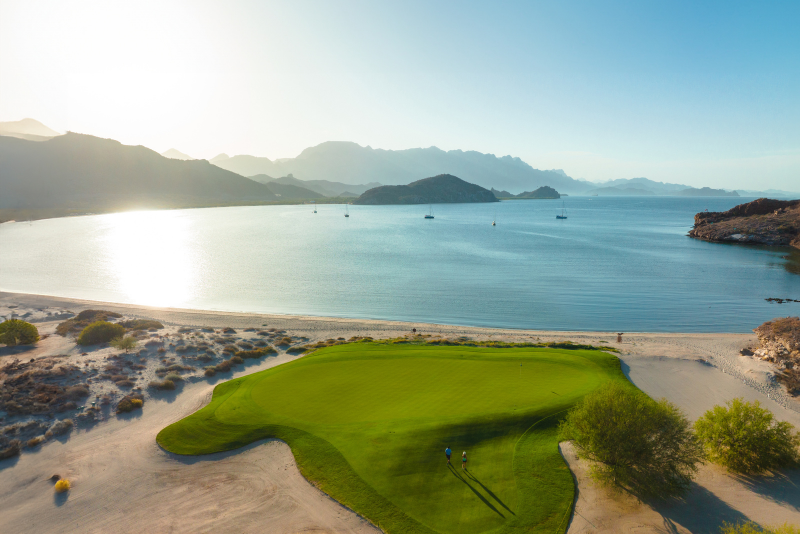
Scottsdale is great. So is Palm Springs. But at some point, you’ve played enough of the same rotation of desert courses that even a genuinely good round starts to feel familiar in a way that takes something off it. The setting, the drive, the resort — all fine, all predictable.
Loreto is not predictable.
Tucked along the eastern shore of the Baja Peninsula, between the Sierra de la Giganta mountains and the Sea of Cortez — the stretch of water Jacques Cousteau called “the world’s aquarium” — Loreto is a UNESCO-protected town that many American golfers have yet to discover. In part because it has remained far more low-key than places like Cabo, and in part because people assume it’s too far for a weekend. Neither of those things should be holding you back.
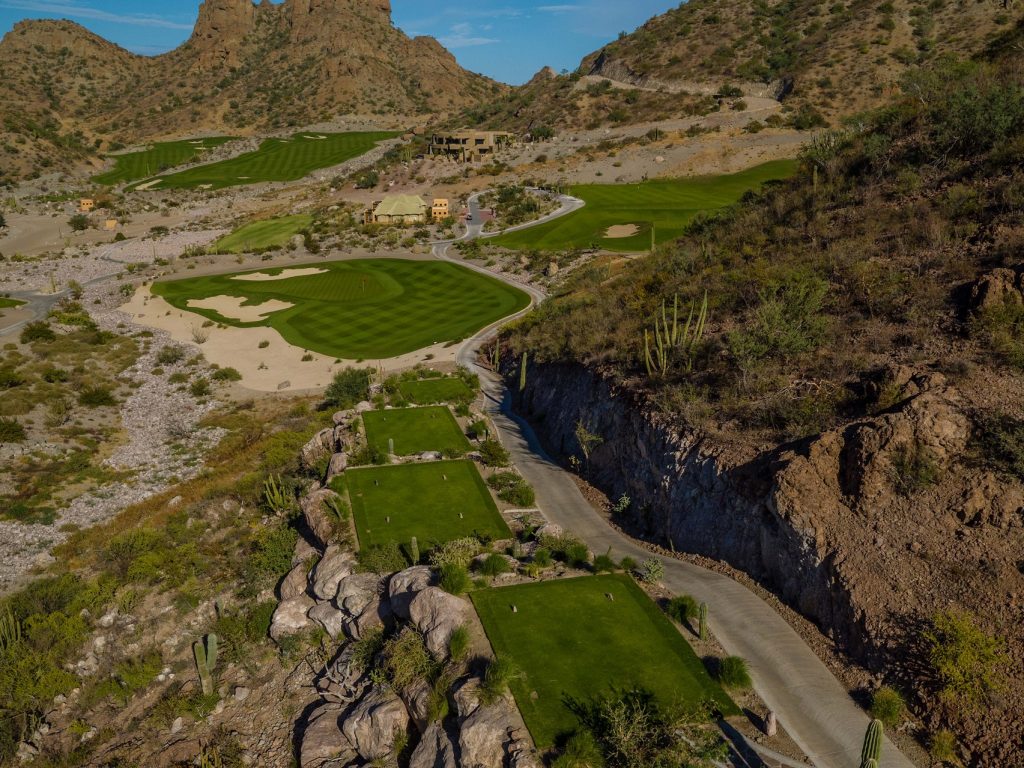
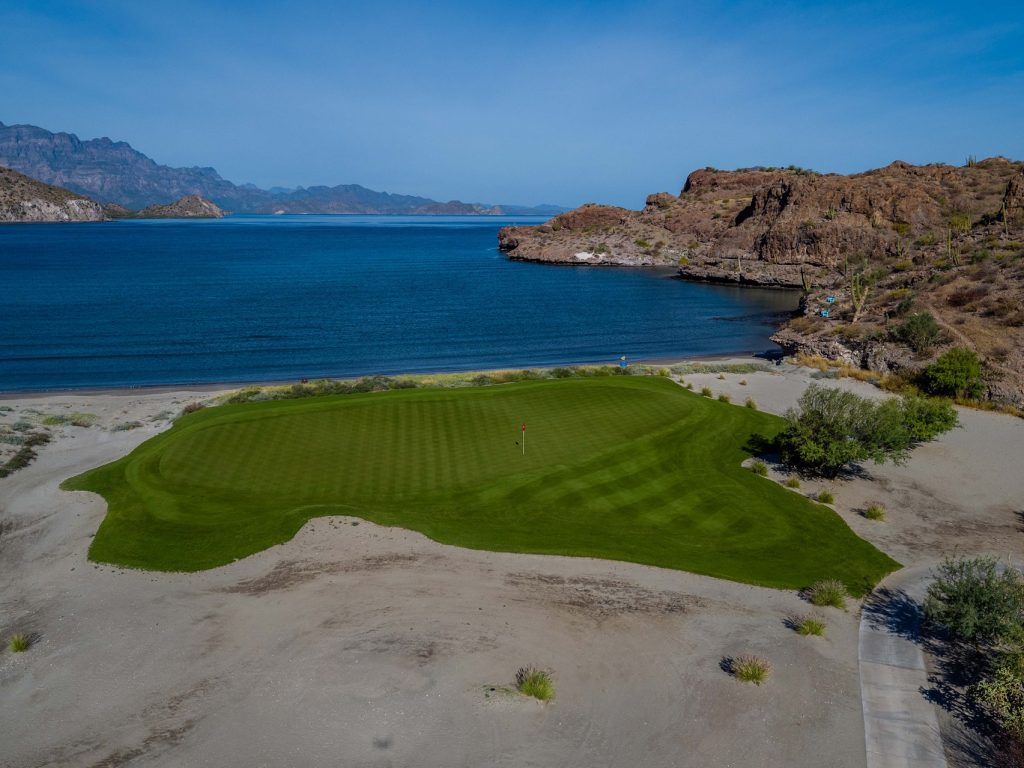
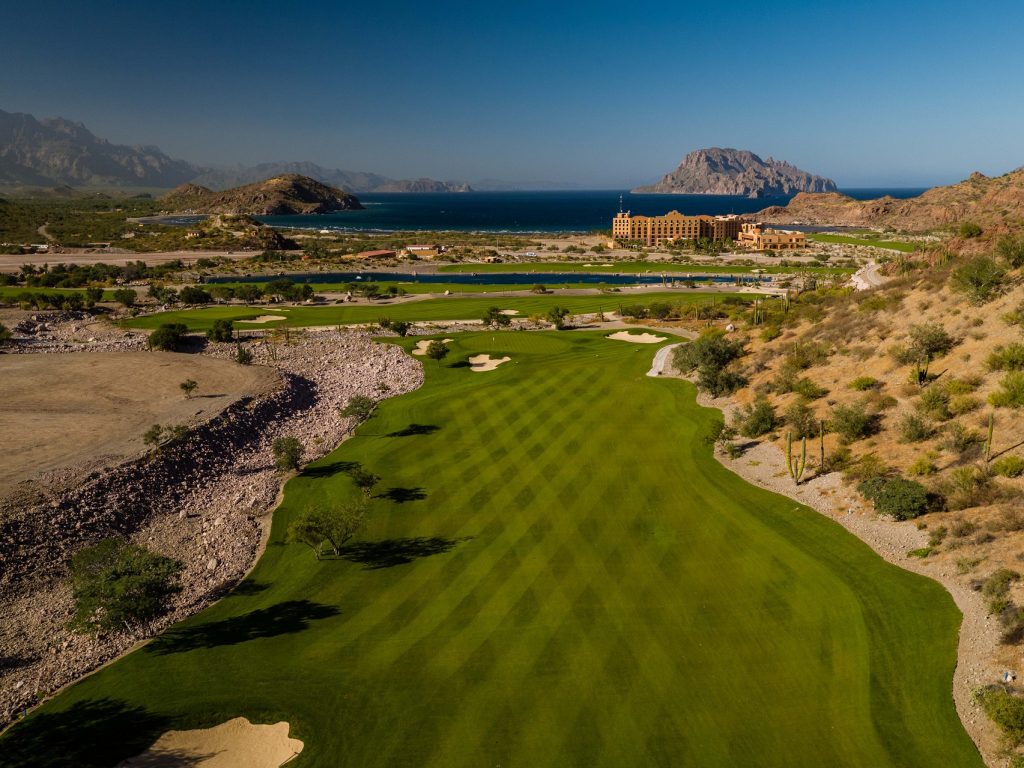
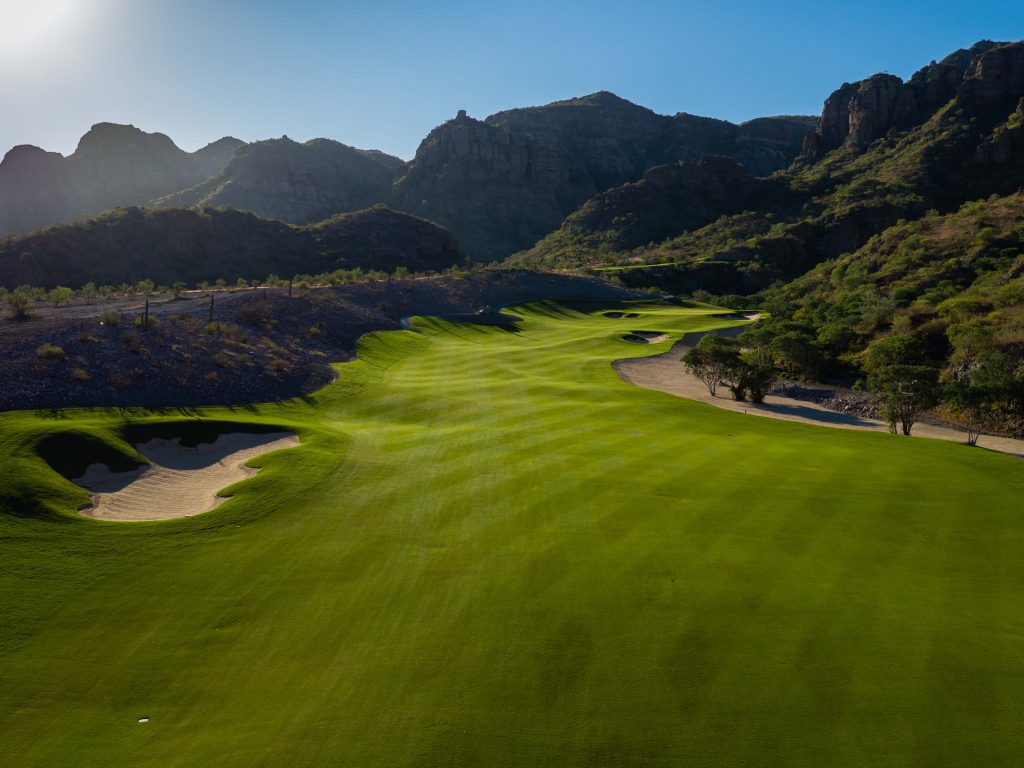
TPC Danzante Bay sits above the coastline on volcanic terrain, with views of the Sea of Cortez that will cause at least one person in your group to stop talking mid-sentence on the first tee. Rees Jones designed it. It’s part of the TPC Network. And it plays nothing like anything else in the desert Southwest.
What Is TPC Danzante Bay?
Rees Jones is the kind of golf architect whose reputation precedes every project — a designer whose work spans some of the most respected courses in the country, and whose instinct is to work with the land rather than impose a layout on it. At Danzante Bay, that meant building around volcanic hillsides, dramatic elevation drops, and the Sea of Cortez sitting at the bottom of it all like a constant reminder of where you are.
The course is part of the TPC Network, which sets a consistent standard for conditioning and management that matters when you’re traveling specifically for golf. You’re not taking a chance on course quality. What you can’t know until you’re standing on the property is just how different the experience feels from a standard resort round — quieter, more remote, more genuinely wild in the landscape surrounding it.
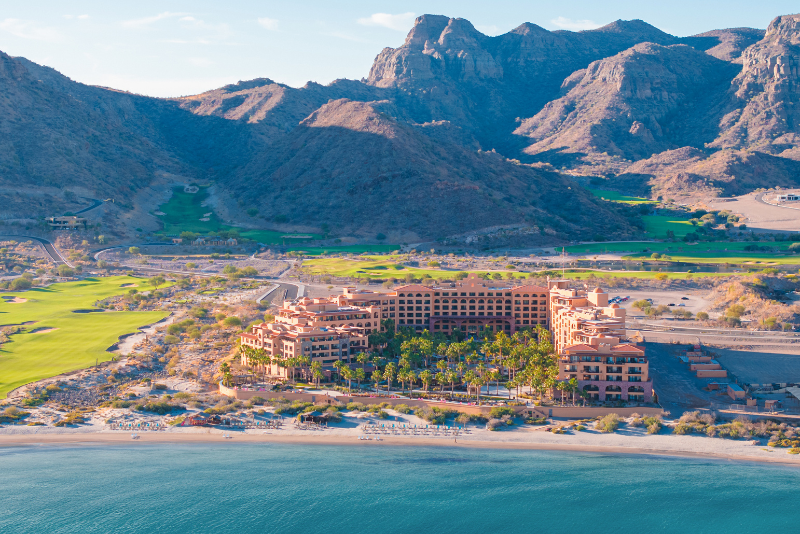
The resort attached to the course is Villa del Palmar at the Islands of Loreto. It handles the full stay — rooms, dining, spa, transfers — which makes planning a weekend here considerably simpler than cobbling together a golf trip from separate bookings.

Getting Here From Phoenix, Los Angeles & San Diego
The travel question is the one that stops most people, so it’s worth addressing it plainly.
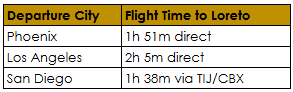
From Phoenix, Loreto International Airport is a 1 hour 51 minute direct flight. American Airlines services this route. You can be on the course Friday afternoon if you take a morning departure — which is faster, door to tee, than driving to most of the courses people routinely make the trip to in Northern Arizona.
From Los Angeles, the direct flight to Loreto is serviced by Alaska Airlines at 2 hours 5 minutes. The more honest comparison isn’t the flight time though — it’s what Friday afternoon looks like on the 10 freeway headed toward Palm Springs. If you’ve sat through that before, the Loreto math starts looking different pretty quickly.
From San Diego, the smartest move is the Cross Border Xpress (CBX) bridge into Tijuana Airport, then a 1 hour 38 minute direct flight to Loreto. CBX connects directly from the San Diego side into the terminal — no long border crossing, no separate shuttle. Total travel time door-to-gate is genuinely competitive with driving to the Coachella Valley on a Friday afternoon, and a lot less frustrating.
US citizens don’t need a visa — just a valid passport and a short tourist card you’ll fill out on the plane or at the airport.

The Golf
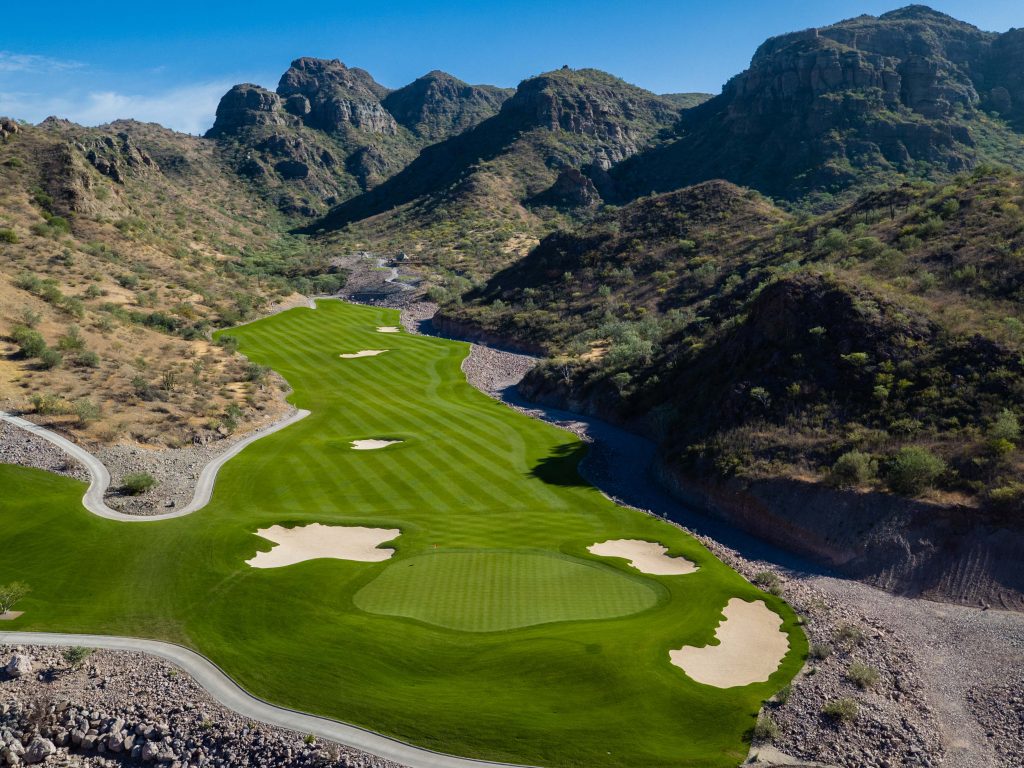
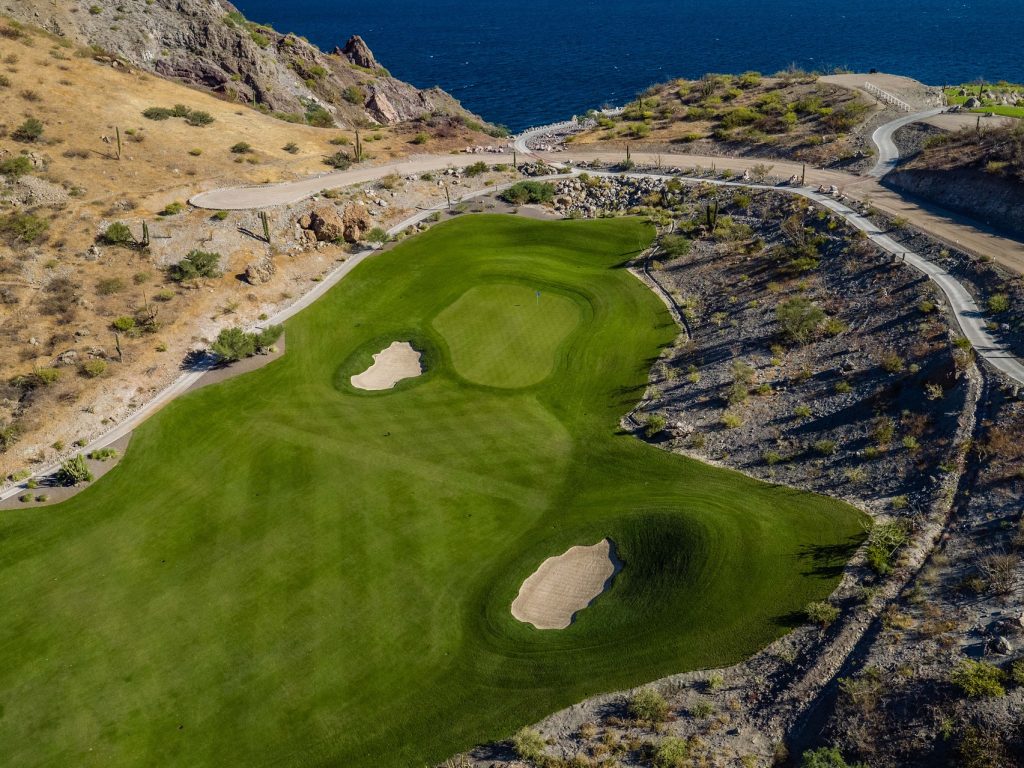
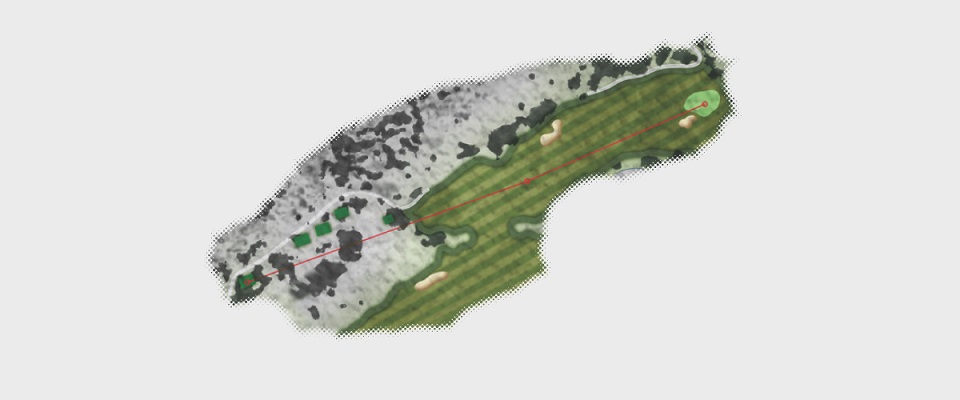
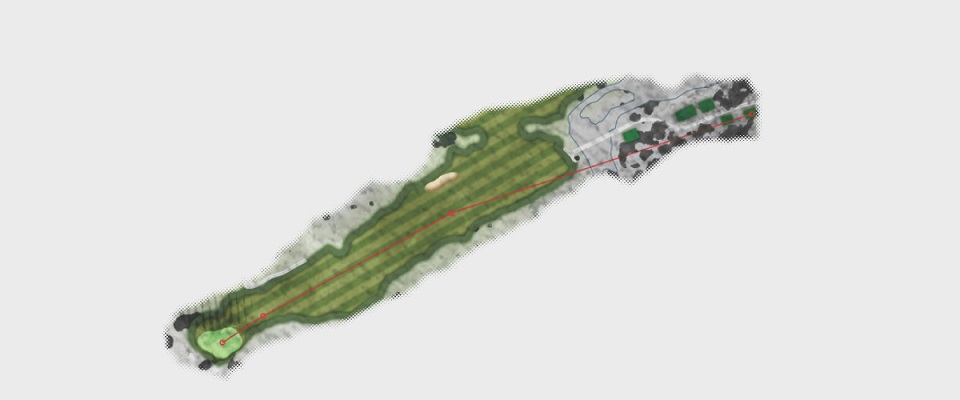
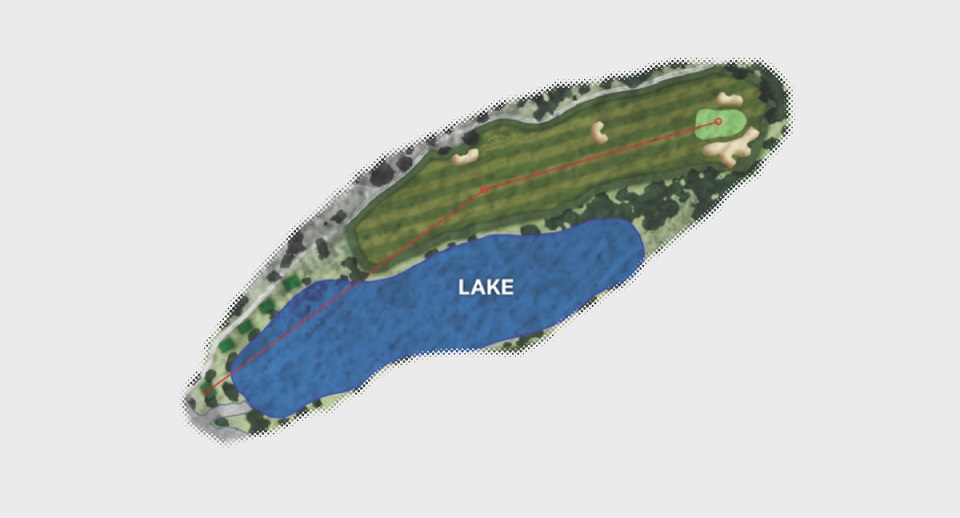
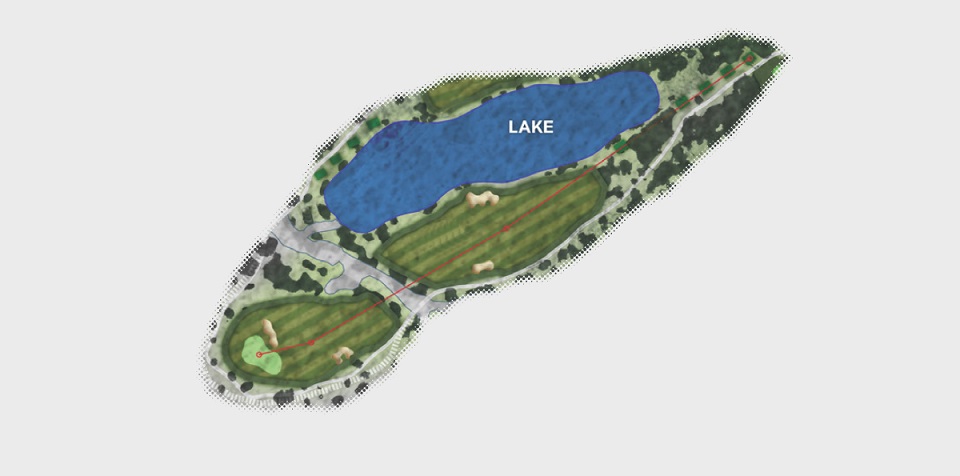
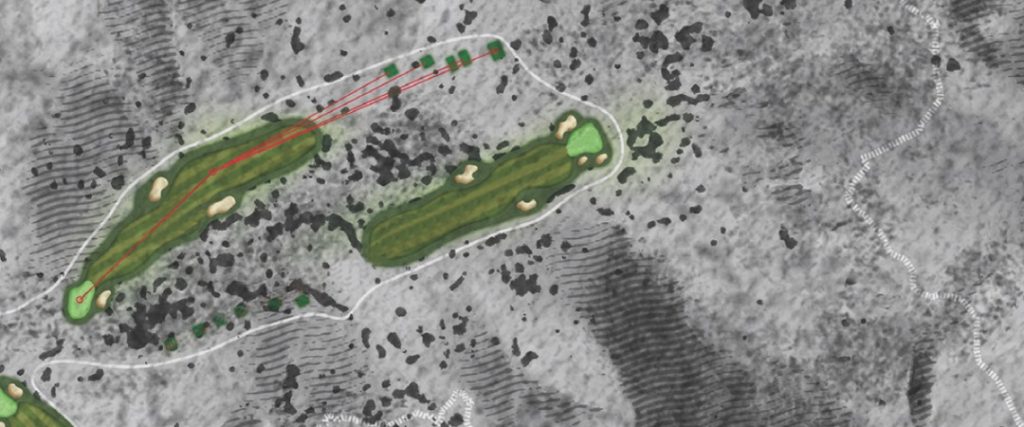
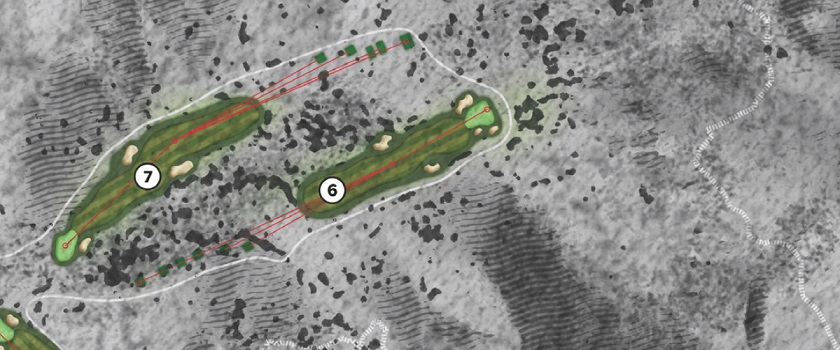
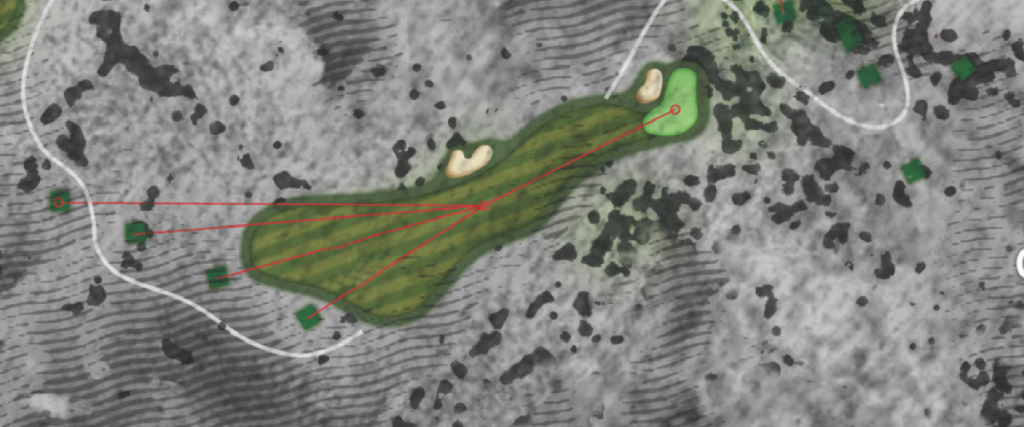
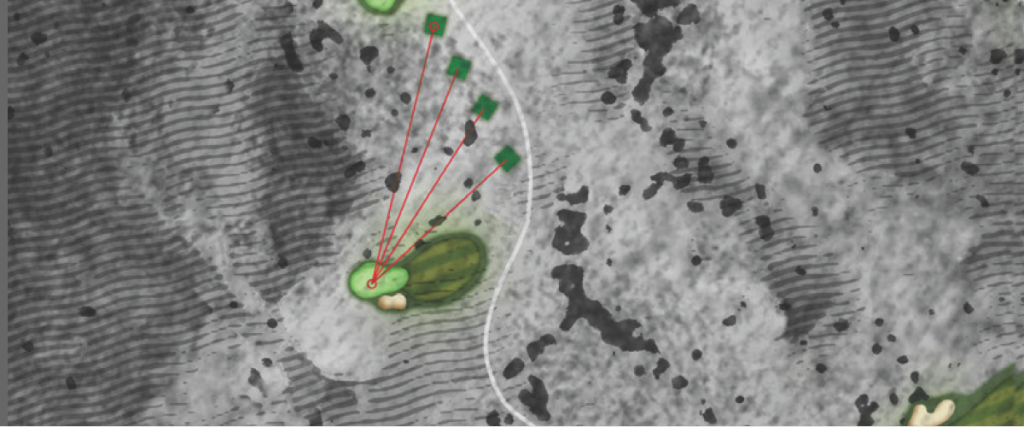
Rees Jones designed TPC Danzante Bay as a par-72 layout that works for every level of player — and that’s not a marketing line, it’s how the course actually plays. The routing moves through beach, cliff, and canyon holes, each with its own character, its own angles, and its own set of decisions to make. Whether you’re a single-digit handicapper working the course strategically or someone who plays a handful of times a year, there’s enough variety here to keep every round genuinely interesting.
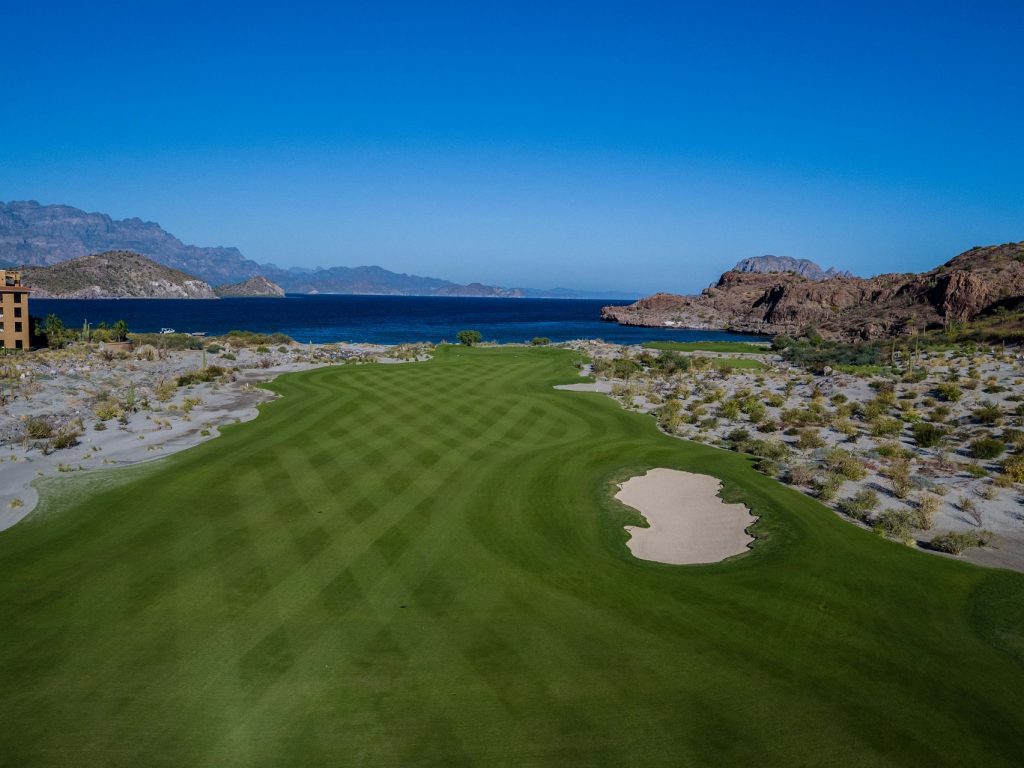
What most first-time visitors aren’t prepared for is how often the scenery stops them mid-thought. The cardon cacti lining the fairways, the volcanic rock formations, the Sea of Cortez sitting below in that specific shade of blue that doesn’t quite translate in photos — it’s a lot to take in while you’re also trying to hit a golf shot. The wind off the Sea of Cortez shifts throughout the day, which means the same hole can play completely differently on Saturday than it did on Friday.
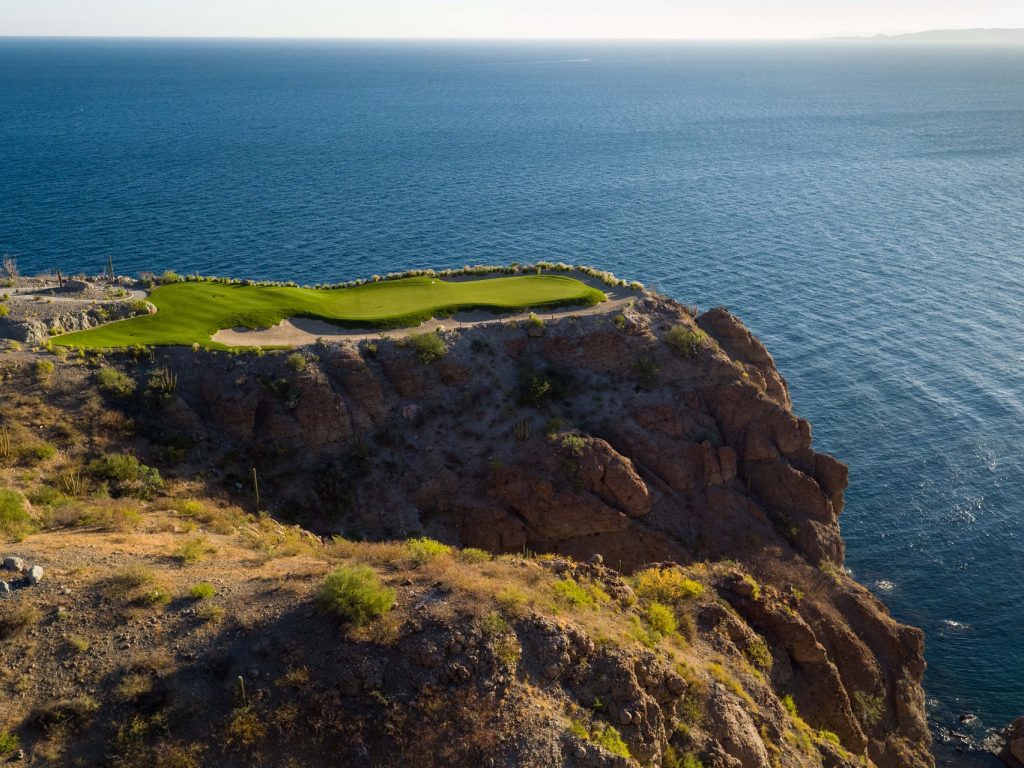
Then there’s the 17th hole. It’s already earned a reputation as one of the most beautiful holes in the game — the kind of hole that players photograph before they tee off, and talk about long after the round is done. The sweeping views from that tee box are the sort of thing that reminds you why a golf trip is worth planning in the first place.
Pace of play here is relaxed in a way that resort golfers genuinely appreciate. Loreto doesn’t carry Scottsdale’s volume, which means rounds move at a comfortable pace and you’re never feeling rushed through an experience that deserves to be taken slowly.

The Resort
Villa del Palmar is home to TPC Danzante Bay, and it shows the resort is built for the rhythm of a golf trip: play, recover, repeat. Rooms and suites are spacious, with views that range from ocean and beach to garden, mountain, and golf course, worth specifying when you book depending on what you’re after. Suites include a kitchenette, and from the one-bedroom suite up, a full kitchen, a detail that makes a longer stay feel like your own space.
The food is the thing most returning guests mention first. Baja seafood at its best is genuinely different from what you’ll find at a landlocked resort, and the kitchen here takes it seriously. The tuna, the shrimp, the local catches — it’s fresh in a way that makes the resort dining feel less like a convenience and more like a reason to stay in for dinner.
All-inclusive packages are available and, for a weekend trip, they let you focus entirely on the experience from the moment you arrive. Post-round, the bar at the clubhouse overlooking the course and at the bay handles the rest.
For anyone in the group who wants time away from the course, the resort has more than enough to fill it. The spa at Villa del Palmar is a full-service retreat worth carving out half a day for — the kind of place that earns its own slot in the itinerary, not just a fallback option.
The resort’s daily activities program runs from morning through evening and covers a genuinely wide range: beach walks, aquaerobics, beach volleyball, pickleball, stargazing sessions on the Starlight Terrace, and a rotating lineup of classes and social events — mixology, Mexican cooking, Spanish lessons, margarita workshops — along with themed nightly entertainment and buffets. It’s the kind of program that keeps a group engaged without anyone feeling like they need to plan anything. You show up, you pick what sounds good that day.
For those who want to go further, Danzante Tours operates a separate roster of excursions out of the resort — snorkeling at Danzante and Del Carmen Islands, sport fishing from a panga, whale watching from January through March, ATV tours through the desert, horseback riding along the Sierra de la Giganta, kayak and reef tours, a twilight LED paddleboard experience, and full-day expeditions to places like the San Javier Jesuit Mission, Conception Bay, and the ancient Canipole cave paintings. These are bookable separately through the resort and cover enough ground that a non-golfer could fill three days without repeating themselves.
Planning the Weekend
Three nights works better than two. Two nights means you’re rushing — one round, no buffer for a slow morning or a second look at a hole that got the better of you. Three nights gives the trip a shape that actually feels like a getaway rather than a sprint.
A reasonable structure looks like this: fly in Friday, get settled, have a good dinner. Saturday is your primary round — take your time with it. Use Saturday afternoon for the pool or a boat tour of the islands. Sunday morning, either play again or get on the water before a midday checkout and an evening flight home. Most departures from Loreto get you back to Phoenix, LA, or Tijuana before midnight on Sunday.
Best time to visit: October through May. Peak season runs December through April — if you want better rates and a quieter resort, the shoulder months on either end are a genuine sweet spot.
What to bring: Sunscreen that you’ll actually reapply, a wind layer for early morning rounds, and a passport. That’s essentially it.
Booking: Stay-and-play packages at Villa del Palmar bundle accommodations and rounds at TPC Danzante Bay. Booking as a package is simpler and usually better value than piecing it together separately. Current availability and packages are listed at tpcdanzantebay.com.

Frequently Asked Questions
Is TPC Danzante Bay worth the trip for a golf weekend?
For golfers who have worked through the standard rotation of Scottsdale and Southern California courses, yes — this is a meaningful step up in terms of setting and overall experience. Rees Jones’s design is legitimately exceptional, and the combination of volcanic terrain and Sea of Cortez views produces an environment you won’t find replicated domestically. The course is challenging, the conditioning is consistent with what the TPC Network delivers elsewhere, and the seclusion of the setting is precisely what makes it feel genuinely private and removed from the world.
How far is Loreto from Phoenix?
Loreto International Airport is a 1 hour 51 minute direct flight from Phoenix Sky Harbor. For Phoenix-based golfers, this is one of the closest international golf destinations available — and considerably faster than driving to several northern Arizona courses people regularly make the trip to.
How far is Loreto from Los Angeles?
A 2 hour 5 minute direct flight from the LA area. The more useful comparison is total door-to-door time on a Friday versus driving to Palm Springs — once you factor in traffic out of the city, Loreto is often competitive or faster, with a considerably more compelling destination at the other end.
How far is Loreto from San Diego?
The best option for San Diego travelers is the Cross Border Xpress (CBX) bridge, which connects directly from the San Diego side into Tijuana Airport — no long border wait, no separate shuttle. From there, the direct flight to Loreto is 1 hour 38 minutes.
Total travel time is genuinely competitive with driving to the Coachella Valley on a Friday, and CBX makes the Tijuana departure far simpler than most people expect. If you haven’t used it before, it’s worth looking into for this trip specifically.
Do US citizens need a visa for Loreto?
No. A valid US passport is the only document required for a leisure trip. Most visitors complete a brief tourist card (FMM) on the plane or at the airport on arrival — the airline typically provides it. There’s nothing complicated about the entry process.
When is the best time to visit TPC Danzante Bay?
October through May covers the reliable window for comfortable golf. The fall months — October and November in particular — offer excellent playing conditions with slightly lower rates than the December through April peak season. Summer is hot and humid enough that most golfers plan around it.
Does Villa del Palmar offer golf packages?
Yes. Stay-and-play packages bundle accommodations with rounds at TPC Danzante Bay. All-inclusive options that cover meals and beverages are also available. For a weekend trip, the package format tends to be the simplest and most cost-effective way to book.
Is Loreto safe for American visitors?
Loreto has a long-standing reputation as one of the safer destinations in Mexico for American tourists. It’s a small, relatively quiet town — nothing like the larger resort cities in terms of scale or atmosphere — and has been a destination for US divers and sport fishermen for decades. The resort itself handles transfers and most guests spend the majority of their time on the property or in the immediate area without any issues.
How does TPC Danzante Bay compare to Scottsdale courses?
They’re genuinely different experiences. Scottsdale has the depth, the infrastructure, and the convenience that come with being the most developed golf destination in the Southwest. Danzante Bay has one course, but it’s a course set in an environment that
Scottsdale can’t replicate — the ocean, the seclusion, the volcanic landscape. For golfers who know Scottsdale well and are looking for something that feels genuinely private and removed from the world, Danzante Bay is the natural next trip.
What else is there to do in Loreto besides golf?
More than most people expect. The Sea of Cortez is UNESCO-protected and ranks among the most biodiverse marine environments in the world — kayaking, paddleboarding, snorkeling, and sport fishing are all popular activities during a Loreto vacation.
Whale watching runs from January through March. Loreto itself is also worth an evening visit, it’s a UNESCO World Heritage site with a well-preserved historic mission, walkable streets, and local restaurants that are notably better than what you might expect from a town this size.